
CHOOSING THE RIGHT WINDOW TREATMENT
When it comes to the finishing touches that truly complete a room, window treatments are on the top of our list. They’re one of those design details that can completely change the way a room feels. They soften hard edges, add color and texture, and help a space feel more layered and finished.
Window treatments also do a lot of practical work behind the scenes. The right window treatment can give you privacy, filter or block light, improve comfort, soften sound, and even help disguise tricky architectural details.
To help take some of the mystery out of the selection process, we’re breaking down a few of our favorite window treatment styles.
1. ROMAN SHADES
If the team at Manlove and Company Interiors had to choose one go-to window treatment, Roman shades would be tough to beat. They’re functional, versatile, and work beautifully in so many spaces. Depending on the fabric and style, they can feel crisp and modern, soft and traditional, or somewhere in between.
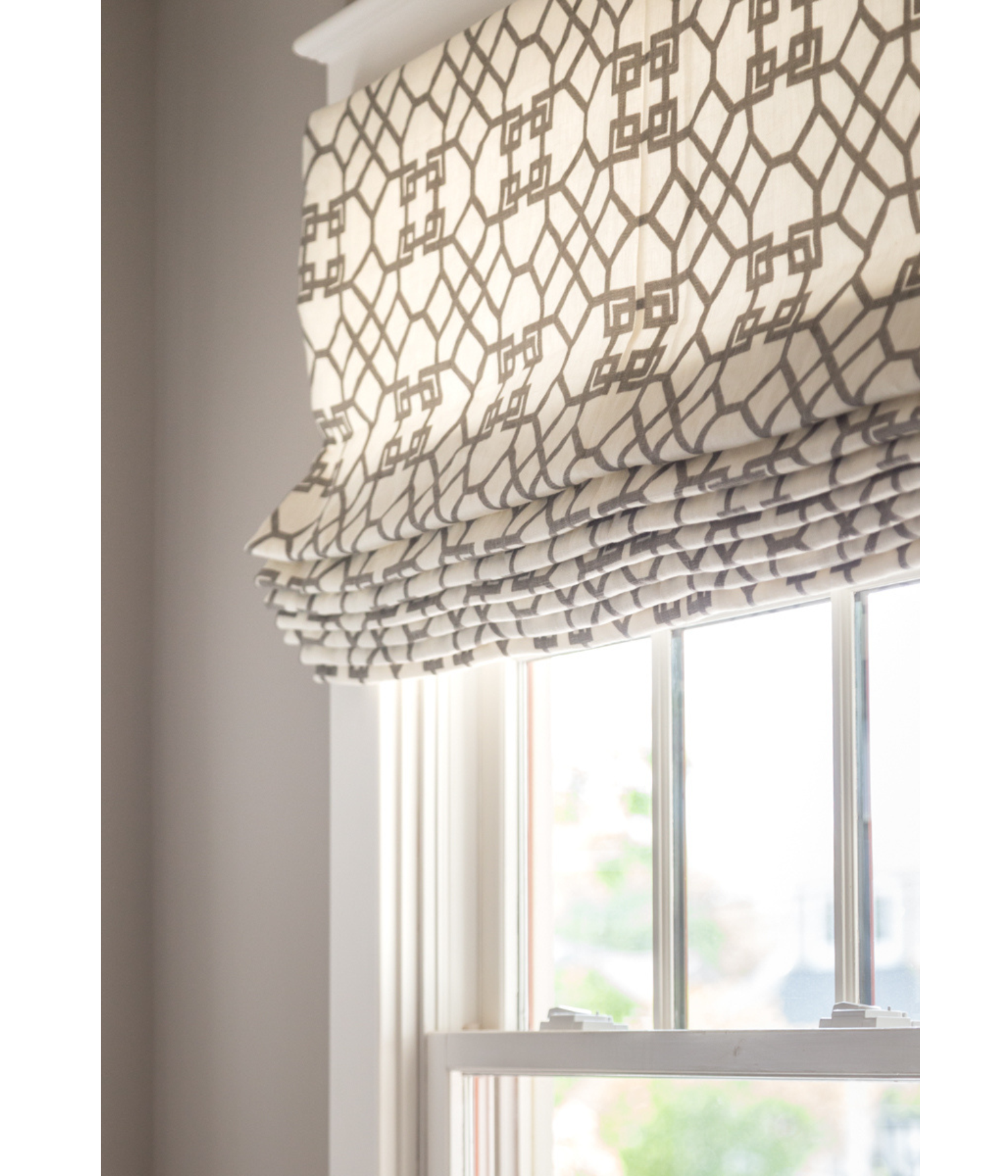
We often recommend flat Roman shades when a client wants something clean-lined and unfussy. They work especially well in kitchens, bedrooms, bathrooms, and smaller spaces where full-length panels may not be the best fit.
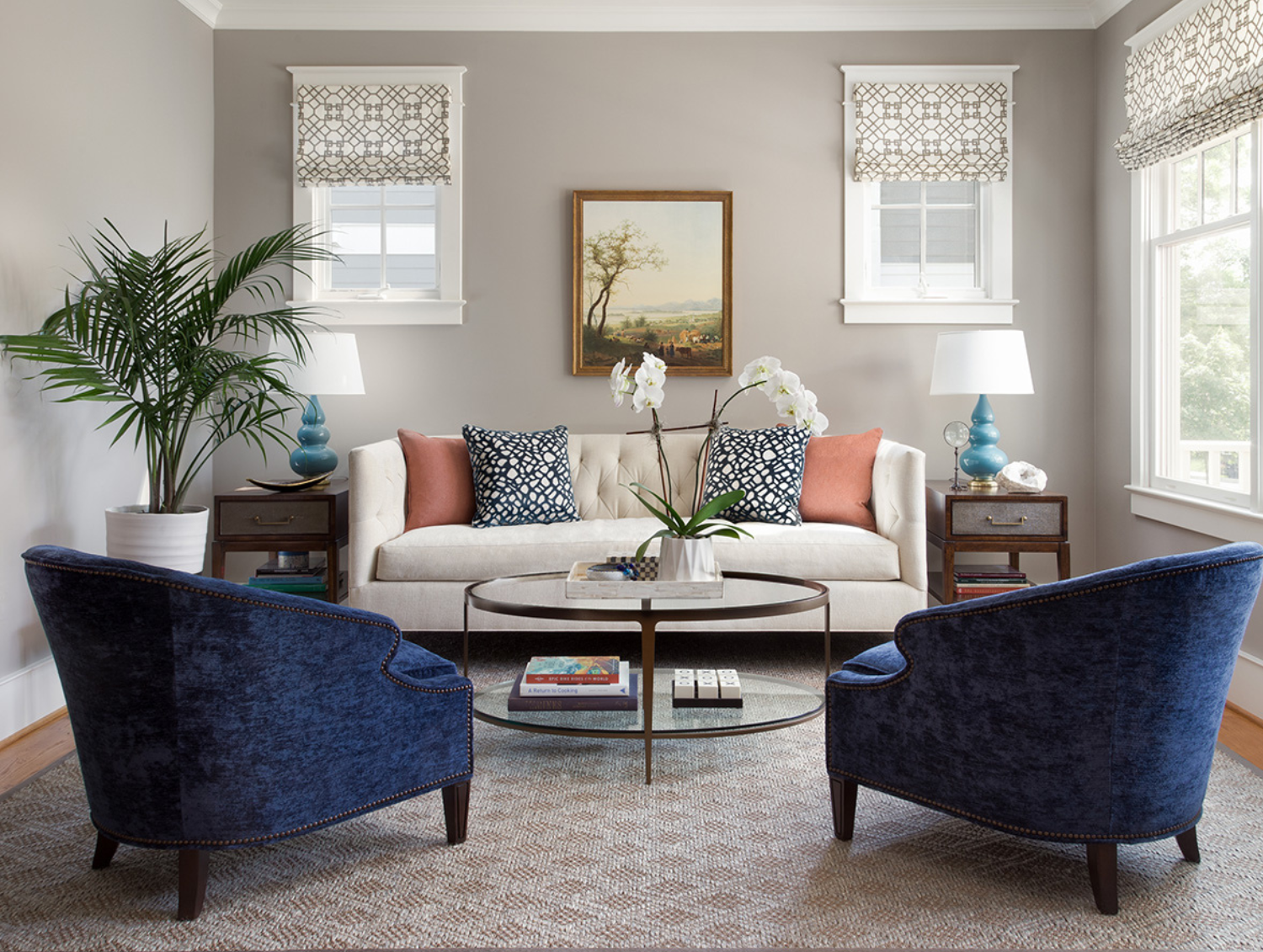
Roman shades can be mounted either inside or outside the window frame. An inside mount offers a clean, built-in look, while an outside mount can make a window appear taller or wider. It can also be a smart solution in older homes, where window trim, ceilings, or walls may not be perfectly level.
2. WINDOW PANELS
Panels are wonderful when a room needs softness, height, or a more finished feeling. They can be purely decorative or fully functional.
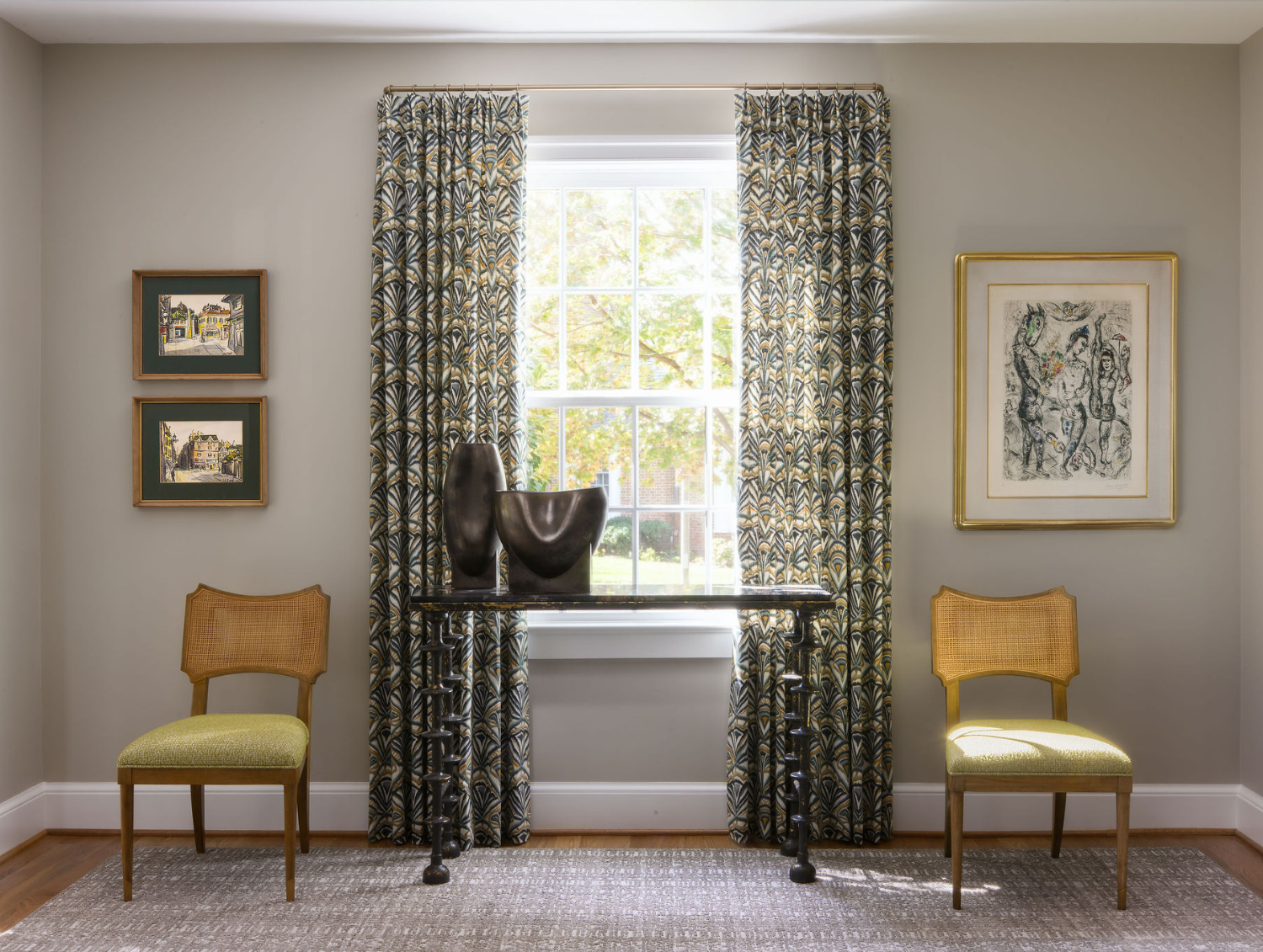
We often use panels to help frame a view, balance a large wall, or bring in a beautiful fabric that supports the overall design of the room. They are also a great way to introduce pattern or texture without overwhelming the space.
Panels can stand on their own or be layered over shades, sheers, or shutters for more privacy and light control. In some rooms, we’ve installed just sheers for a more modern look.
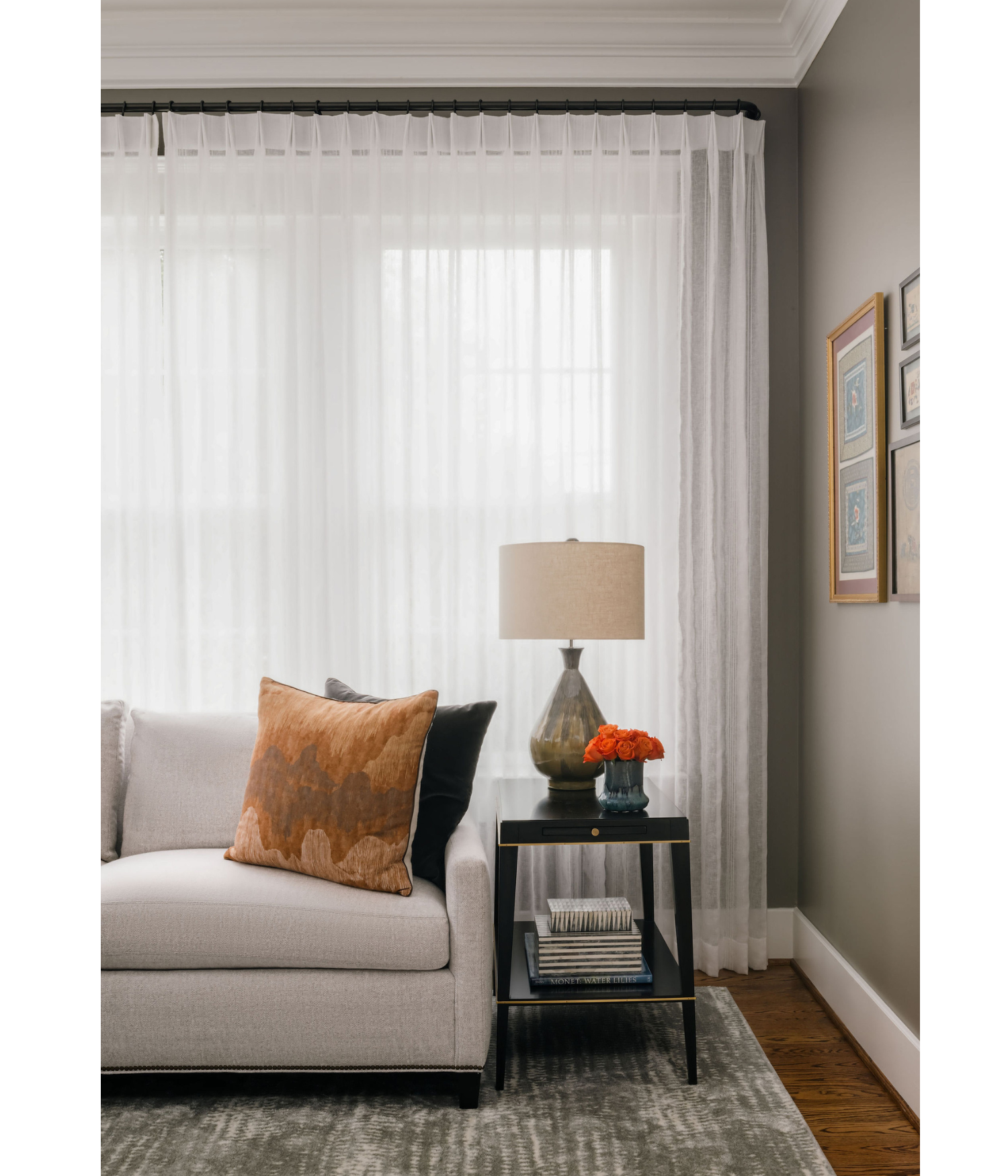
Panels can also work a little visual magic by minimizing irregular window sizes, drawing the eye upward in rooms with lower ceilings, and adding a bit of insulation and sound absorption.
3. WINDOW TOPPERS
Valances and cornices are decorative window toppers designed to conceal the hardware of other window treatments, like Roman shades, giving the window a more finished look. So, what’s the difference between a valance and cornice? Great question!
A valance is the softer option. It is made from fabric and can feel casual, tailored, traditional, or playful depending on the shape and material.
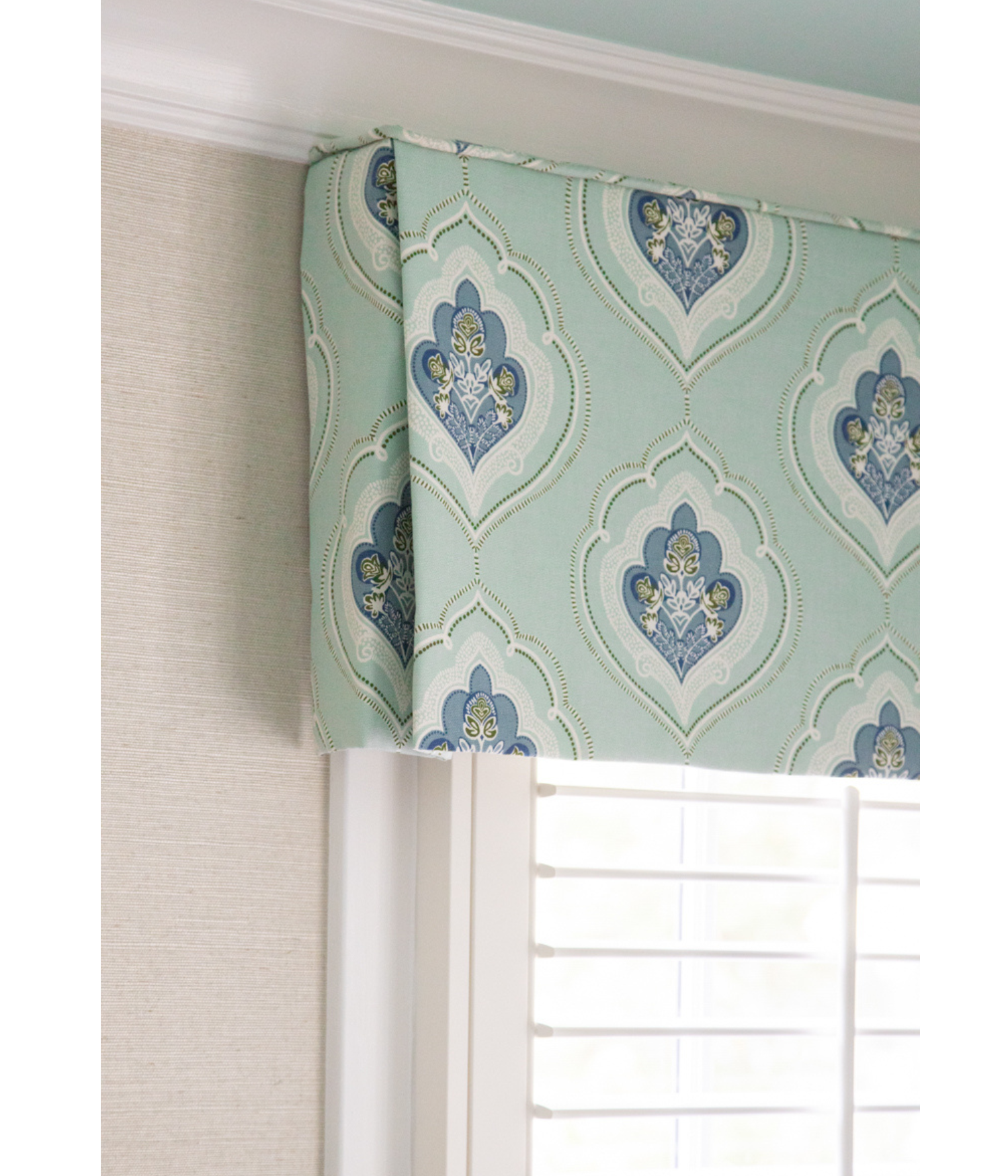
A valance can also be a nice way to bring in a small dose of pattern or contrast.
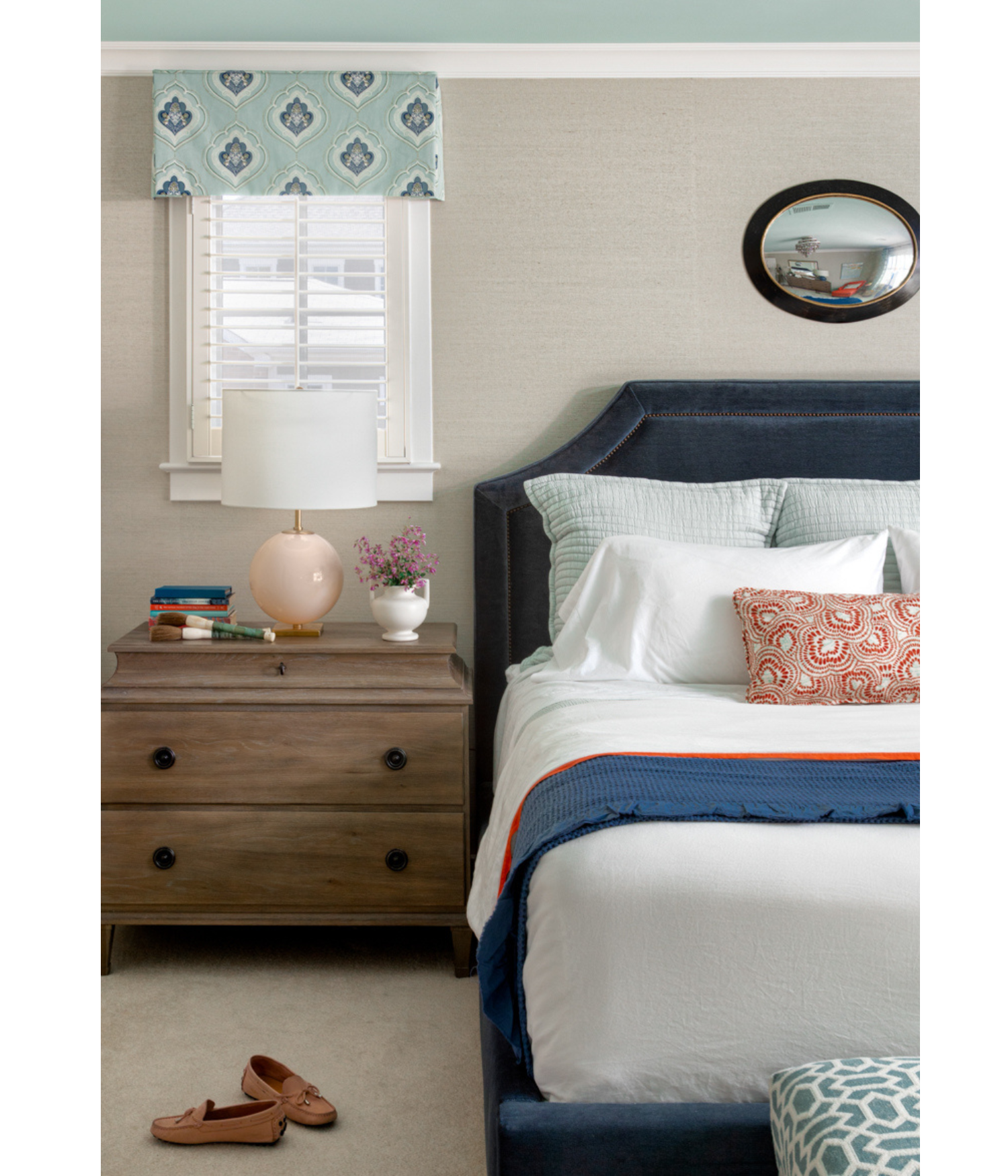
A cornice is more structured and architectural. Because it has a clean, box-like form, it can work beautifully in rooms where you want a crisper, more tailored look.
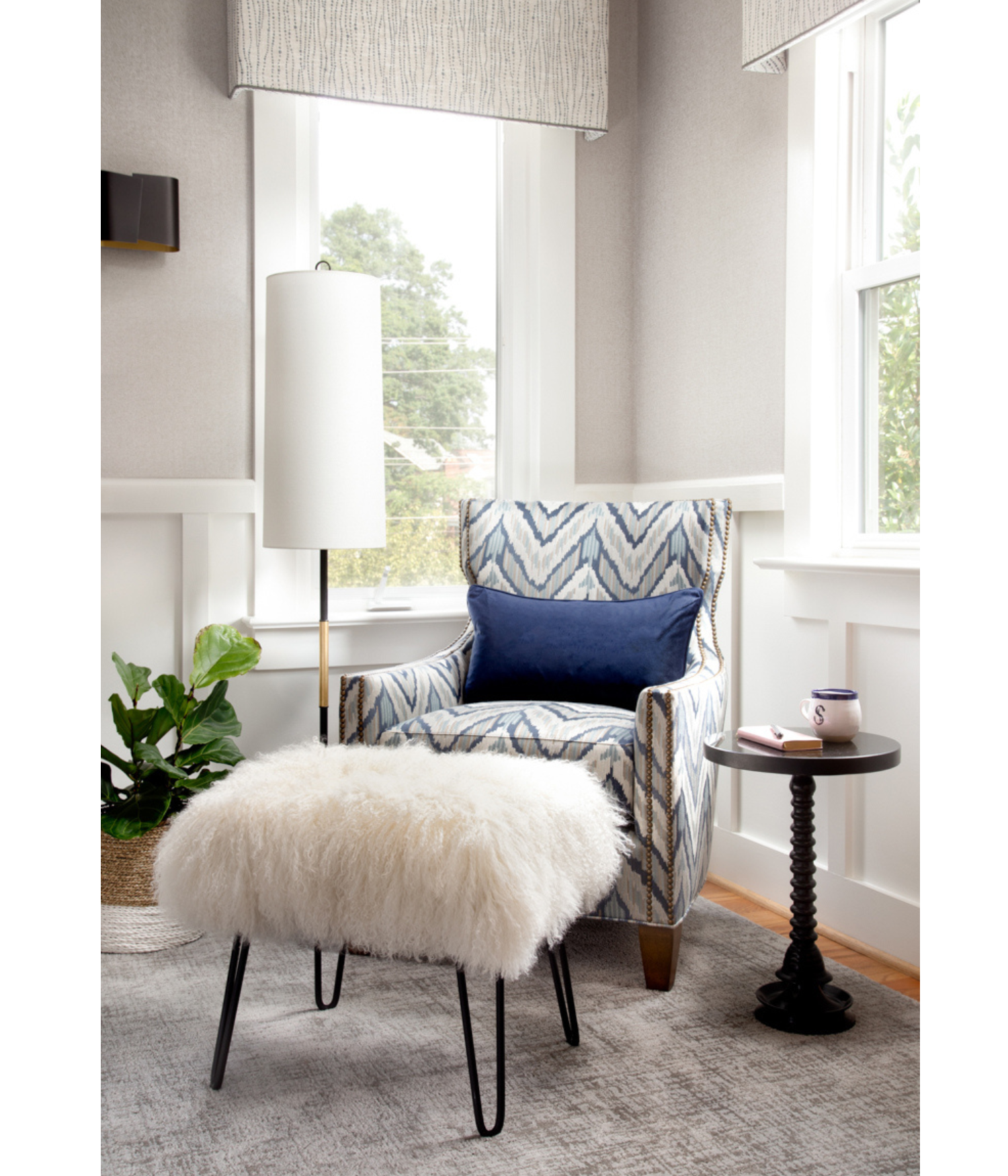
Cornices can be especially useful in rooms without much architectural detailing, such as crown molding or substantial trim.
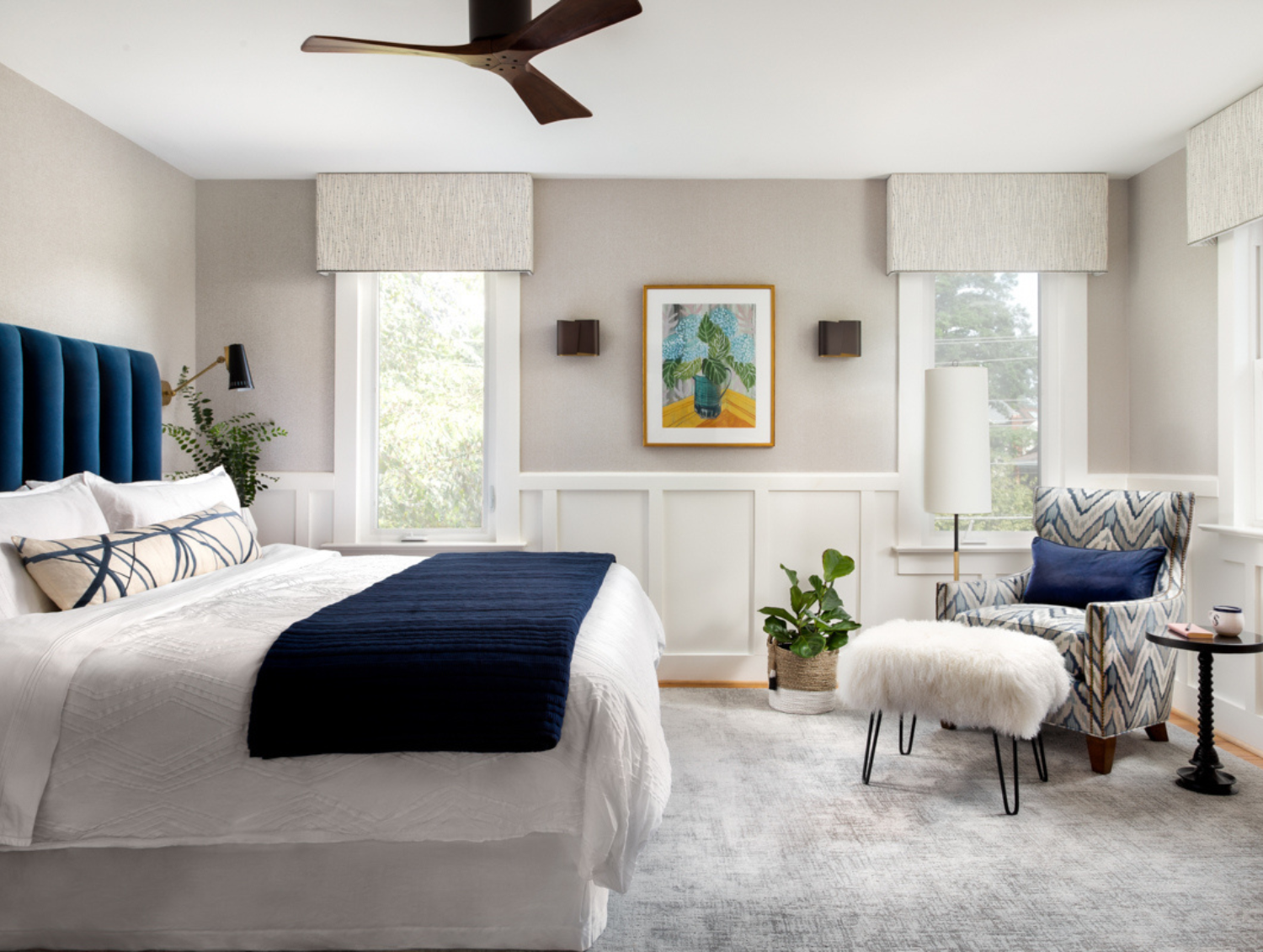
Done well, custom window treatments make a room feel more comfortable, more polished, and more complete. The best choice for window treatments depends on the room, the architecture, and how you want the space to function.
Also, no matter which style you choose, working with a skilled drapery workroom and installation team makes all the difference.
If you need additional help with updating your home, we’re here for you! Take the first step by completing our short Design Survey and we’ll schedule a COMPLIMENTARY Discovery Call to chat about the possibilities. For nearly 20 years, our team has been beautifying the DC Metro Area, Northern Virginia, the Eastern Shore of Maryland, and the Delaware Beaches. We'd love to help you too!